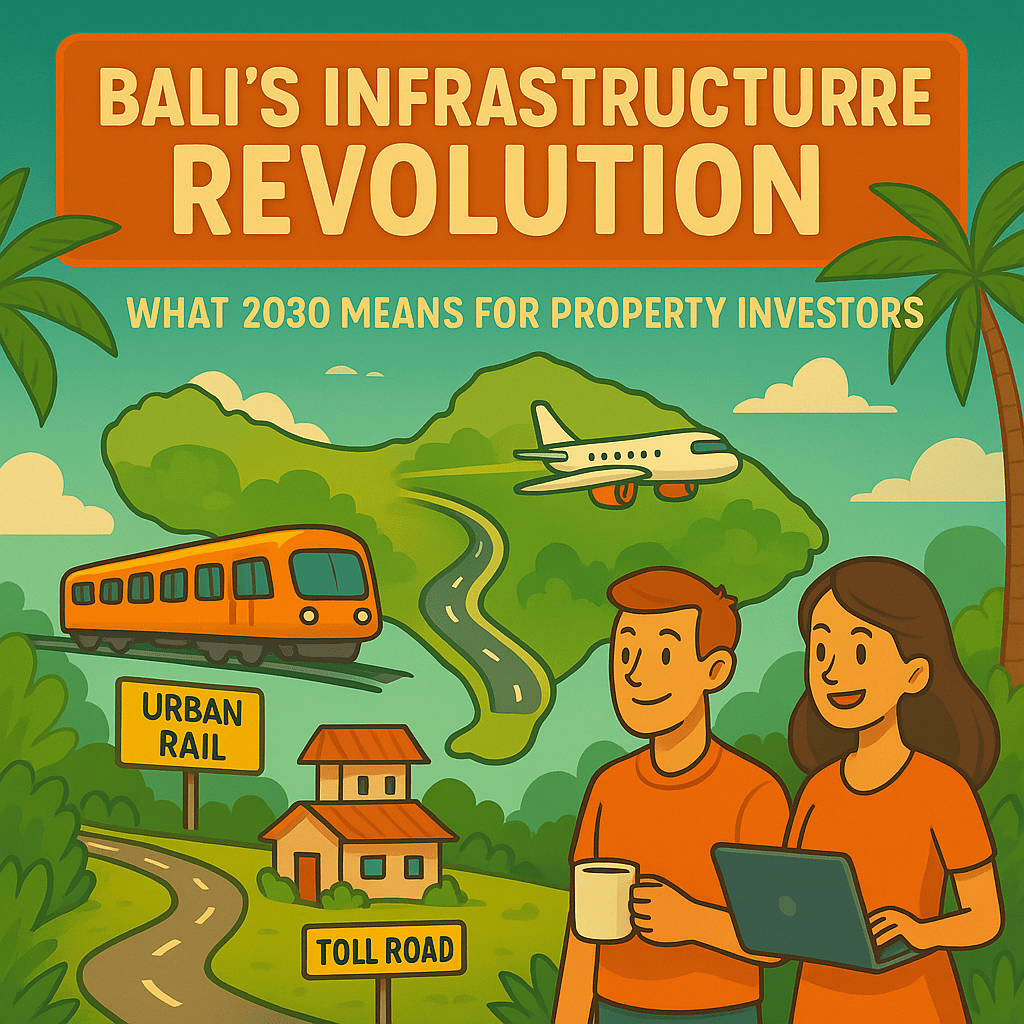
Bali is undergoing a dramatic transformation. By 2030, the Island of the Gods will look vastly different from the Bali we know today. With billions of dollars flowing into infrastructure development, the Indonesian government is laying the groundwork for balanced regional growth, improved connectivity, and expanded tourism opportunities across the island.
For property investors, expat families, and those considering Bali real estate, understanding these infrastructure projects is crucial. They represent not just improved roads and airports—they signal emerging investment hotspots, shifting property values, and new lifestyle possibilities across regions that were previously overlooked.
Let's explore the major infrastructure developments reshaping Bali through 2030 and what they mean for your investment strategy.
The Bali Urban Rail: Solving the Traffic Crisis
Anyone who's spent time in South Bali knows the traffic nightmare. What should be a 20-minute drive from the airport to Seminyak can easily stretch to two hours during peak times. The Bali Urban Rail project aims to change that forever.
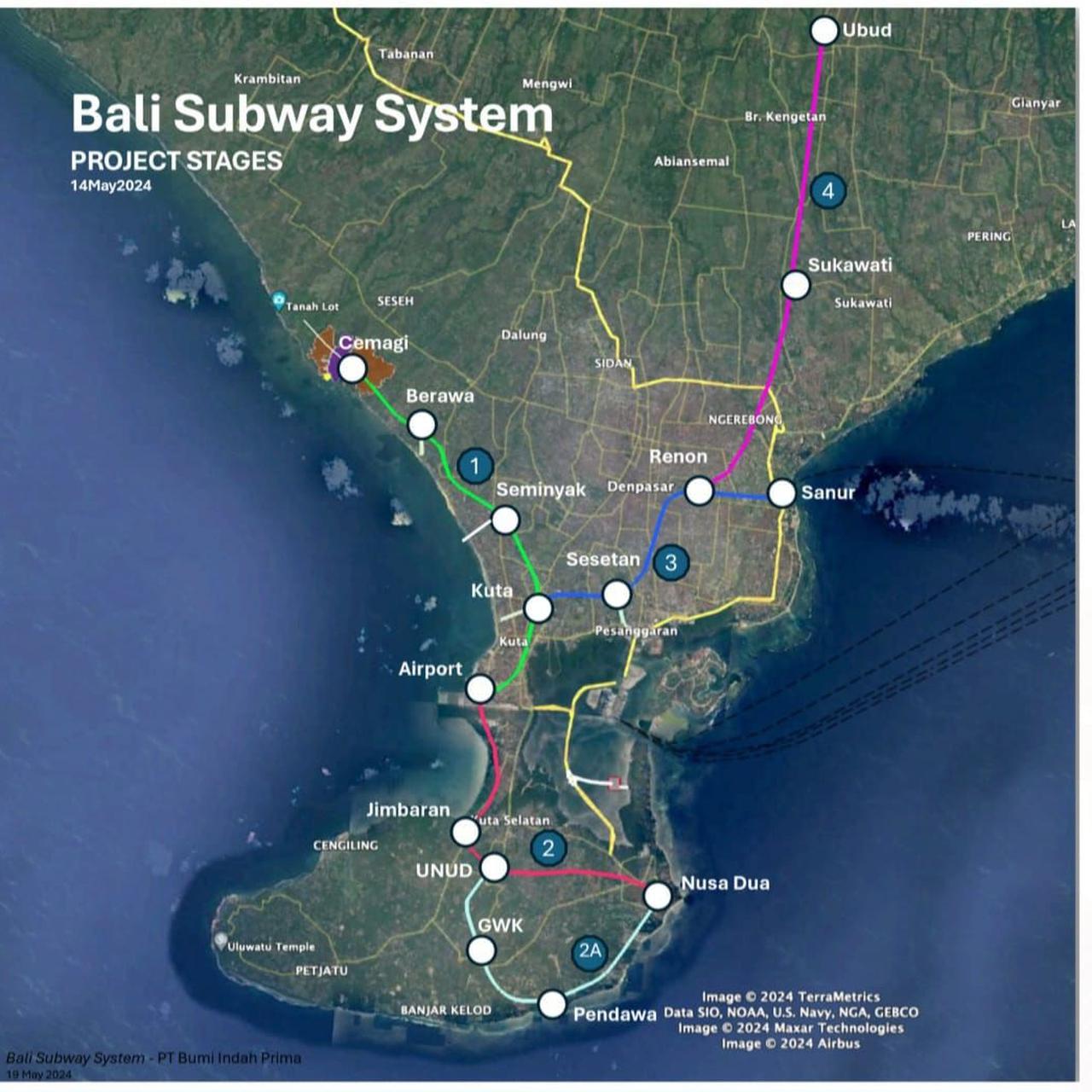
This ambitious mass rapid transit system comprises a four-line network mixing underground subway (MRT) and elevated light rail (LRT) components. The initial phase will connect Ngurah Rai International Airport with Kuta, Seminyak, Canggu, and eventually extend to Sanur, Nusa Dua, and even Ubud in Gianyar Regency.
Construction on the first segment began in late 2024, with partial operations expected by 2027-2028. The full four-line system should be completed by 2030-2031, representing a staggering investment of approximately $20 billion—entirely privately financed without Indonesian state budget guarantees.
What This Means for Investors
The rail system will fundamentally reshape Bali's property market. Areas near future stations—particularly in Kerobokan, Batu Belig, and along the Canggu corridor—are already seeing increased interest from developers and investors anticipating rising property values.
Transit-oriented development (TOD) rights around stations will create new commercial and residential opportunities. Once operational, the system will make previously "remote" areas suddenly accessible, opening up investment possibilities beyond the overcrowded southern tourism belt.
For expat families, the rail network means choosing a home based on lifestyle rather than proximity to work or schools. Ubud becomes commutable. Sanur connects seamlessly to the airport. The entire geography of livable Bali expands dramatically.
North Bali International Airport: Rebalancing the Island
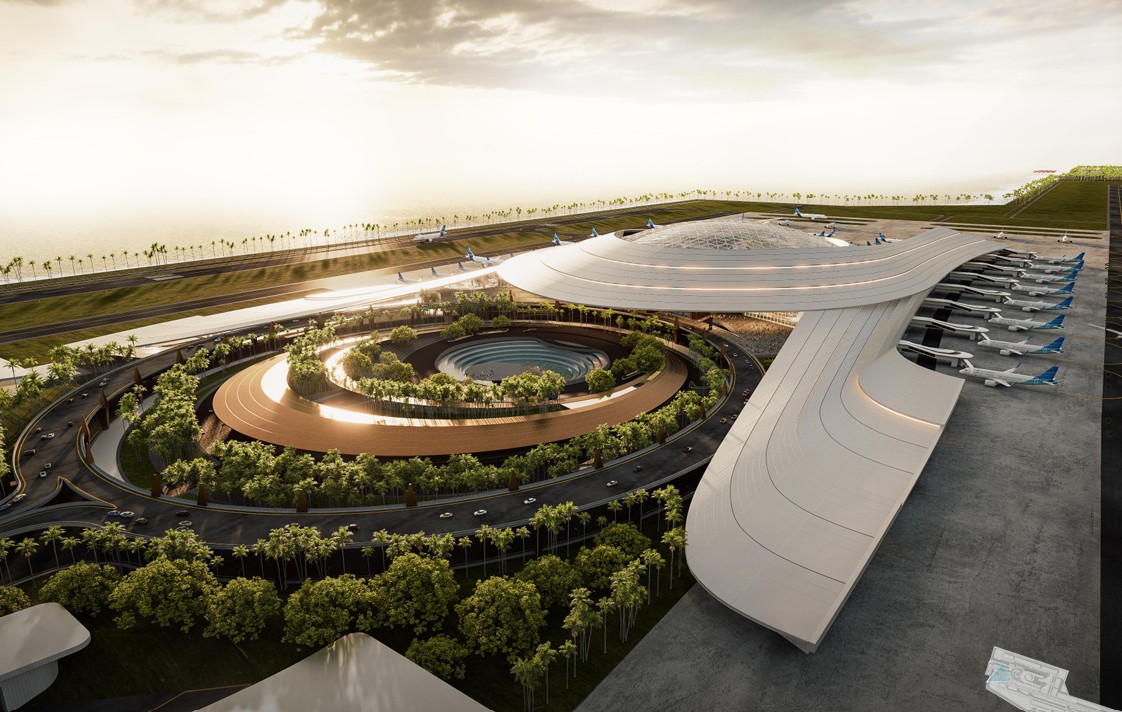
Perhaps the most transformational project is the North Bali International Airport (NBIA) in Buleleng Regency. This isn't just another airport—it's a deliberate strategy to redistribute Bali's tourism and economic activity away from the saturated south.
The new airport will feature two runways, including one capable of handling long-haul widebody aircraft, with an iconic "cosmic turtle" terminal design reflecting Balinese mythology. Built partly on reclaimed land offshore from Kubutambahan, the airport will occupy 900 hectares and be surrounded by an integrated "Aerocity" featuring logistics zones, commercial areas, and even a proposed film production hub.
President Prabowo officially approved NBIA in July 2025, with construction expected to begin by year-end 2025. The first runway could be operational by 2027-2028, with full completion targeted for 2030.
The Investment Angle
The $3-3.5 billion airport is 100% privately funded, backed primarily by Chinese private investment and construction groups. This massive project is expected to create 200,000 jobs initially, potentially reaching 500,000 over time.
For property investors, North Bali represents virgin territory. Land values in Lovina, Singaraja, and Kubutambahan are already rising in anticipation. The airport will enable direct international flights to the north, projected to attract 10+ million additional visitors annually once fully operational.
Savvy investors are already positioning themselves in North Bali real estate—acquiring land and properties before the airport opens and prices surge. The region offers what South Bali did 20 years ago: affordable entry points with tremendous appreciation potential.
However, timing is everything. The airport's success depends on complementary infrastructure, particularly the planned toll roads connecting north to south.

Toll Roads: Connecting Bali's Future
Bali's toll road expansion is critical infrastructure that will literally pave the way for the island's transformation.
Gilimanuk–Mengwi Toll Road
This 97-kilometer expressway will connect Gilimanuk (the ferry port from Java) to Mengwi near South Bali's urban center. Currently, the journey takes 3-4 hours on narrow roads; the toll road will cut this to roughly 1-1.5 hours.
After initial delays, the project was re-tendered in 2024, with construction expected to resume in mid-2025. The estimated cost is approximately $1.6-1.7 billion, structured as a public-private partnership. Completion is now realistically targeted for 2027-2028.
North-South Airport Toll
Perhaps even more crucial is the planned 60-kilometer toll road linking the new North Bali Airport to Mengwi. This highway would enable a drive from the new airport to South Bali in roughly one hour, traversing Bali's mountainous interior through possible tunnels and bridges.
Currently in the planning stage, this toll is expected to enter the tender process in 2025, with completion aimed for around 2029 to coincide with the airport's full ramp-up.
Investment Implications
These toll roads will create new development hotspots along their routes. West Bali, currently quiet and rural, will suddenly become accessible and attractive for tourism infrastructure. Properties near planned interchanges represent strategic investment opportunities.
The Jembrana Regent has emphasized integrating the toll exits with local economic projects, ensuring the road isn't just a bypass but a growth engine for West Bali communities.
Beyond Infrastructure: Tourism Game-Changers
While transport infrastructure forms the backbone, several major tourism projects will drive demand and economic activity.
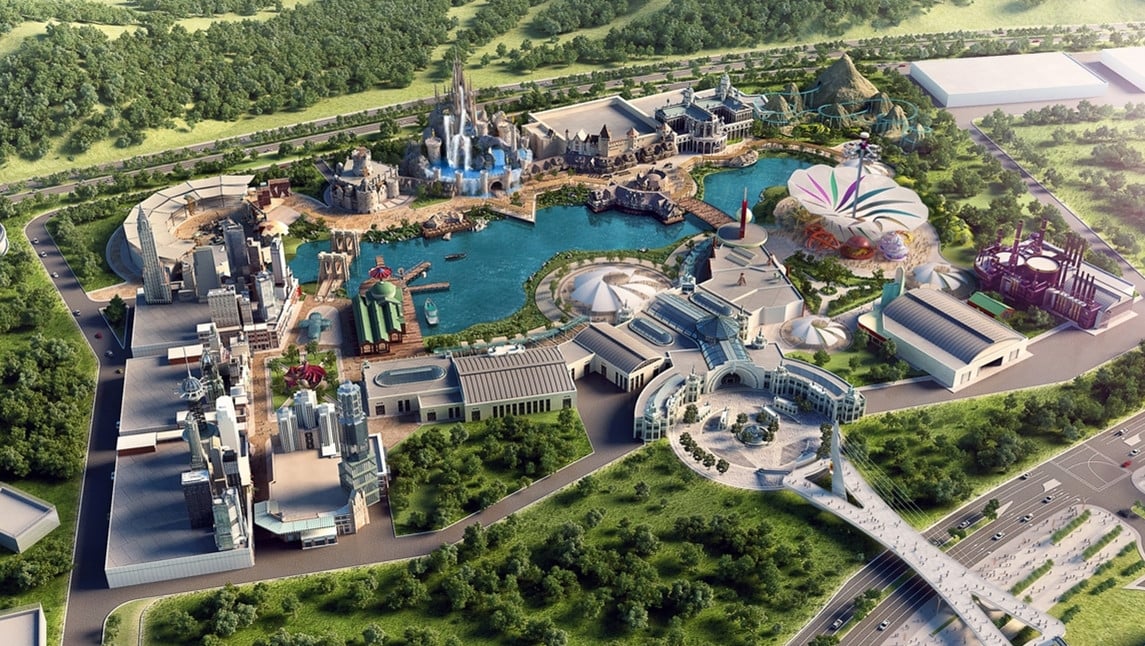
Paramount Theme Park (West Bali)
The Kerthi Bali Semesta theme park in Jembrana—often called "Bali's Disneyland"—will be a 100-hectare complex featuring Paramount Pictures attractions, hotels, a sports academy, and golf course. With a projected investment of approximately $950 million, this will be Southeast Asia's largest theme park by land area.
Expected to open in phases from 2025-2026 (with full buildout by 2028), the park is projected to attract 5 million visitors annually and create 20,000 jobs. This puts West Bali firmly on the tourism map and creates substantial opportunities in surrounding hospitality, retail, and real estate.
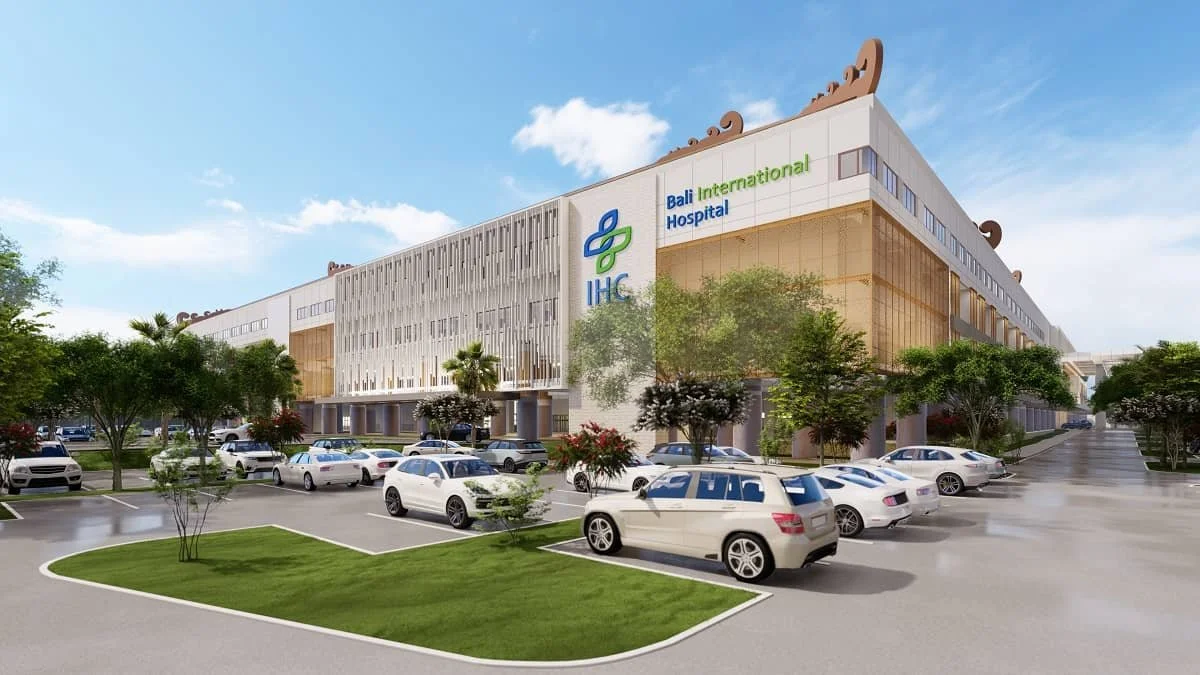
Sanur Medical Tourism Hub
Bali's first integrated medical tourism destination, the Sanur Health and Wellness Tourism Special Economic Zone, launched in 2025 with the opening of Bali International Hospital in partnership with Mayo Clinic.
This 42-hectare zone includes the 250-bed hospital, specialist clinics, research centers, wellness resorts, and retirement facilities. As a Special Economic Zone, it offers tax incentives and streamlined regulations to attract private healthcare providers and related businesses.
The project aims to capture some of the $6 billion that Indonesians spend abroad on medical treatment annually, while also attracting regional medical tourists who currently travel to Bangkok or Singapore.
Benoa Maritime Hub
The Port of Benoa redevelopment transforms southern Bali's port into a world-class cruise terminal and superyacht marina. With capacity for five cruise ships simultaneously and 180 yacht berths (including slips for 90-meter superyachts), Benoa positions Bali as a premier maritime tourism destination.
The marina began construction in May 2025, with phased completion through 2027. This project opens opportunities in marine services, luxury retail, waterfront hospitality, and yacht charter operations.
Strategic Considerations for Investors
These infrastructure projects create a once-in-a-generation opportunity to invest in Bali real estate at a pivotal moment. Here's what to consider:
Geographic Diversification: South Bali has been the focus for decades, but the infrastructure boom opens North Bali, West Bali, and even Central Bali to serious investment consideration. Early movers in these regions stand to benefit most.
Timeline Awareness: Infrastructure projects often face delays. The savviest investors understand that buying ahead of completion—but not too far ahead—maximizes appreciation while minimizing holding costs. Monitor construction milestones closely.
Project Interdependencies: The North Bali Airport's success depends on the toll roads. The theme park's viability hinges on accessibility. Understanding these connections helps you assess risk and opportunity.
Regulatory Changes: Special Economic Zones like Sanur offer unique incentives. Properties within or near these zones may benefit from streamlined permitting, tax breaks, and increased demand from businesses relocating to take advantage of SEZ benefits.
Sustainability Concerns: While these projects promise growth, they also raise questions about environmental impact, cultural preservation, and sustainable tourism. Properties and investments that align with sustainable development principles may prove more resilient long-term.
The Road to 2030
Bali's transformation through 2030 is ambitious, multifaceted, and already underway. The island is deliberately shifting from an over-concentrated tourism model to a more balanced regional development approach.
For property investors, the message is clear: the Bali of 2030 will offer vastly different opportunities than the Bali of 2024. Regions that were once considered "too far" will become prime locations. Infrastructure that was sorely lacking will finally exist. Tourism will diversify beyond beach holidays into health tourism, family entertainment, and business travel.
The question isn't whether these changes will impact property values—they absolutely will. The question is whether you're positioned to benefit from them.
Your Next Steps
Understanding Bali's infrastructure evolution is just the beginning. The real opportunity lies in translating this knowledge into strategic property decisions—knowing where to buy, when to enter the market, and which projects to watch most closely.
At Tipi Estate, we specialize in helping investors navigate Bali's rapidly changing real estate landscape. Our team provides on-the-ground insights into emerging areas, infrastructure timelines, and investment opportunities that align with your goals—whether you're seeking high returns, a future retirement home, or a family residence in paradise.
The Bali of tomorrow is being built today. Let's make sure you're part of its future.
Ready to explore investment opportunities in Bali's emerging hotspots? Contact Tipi Estate today for expert guidance on properties positioned to benefit from the island's infrastructure revolution. Our local expertise and premium listings give you the advantage in Bali's most exciting real estate market in decades.